11kW Solar Inverter vs. 10kVA Solar Inverters – Efficiency, Performance, Cost
L2 Solar Limited has Solar inverters is important of photovoltaic (PV) systems. it can convert the direct current (DC) electricity generated by solar panels into usable alternating current (AC) power, energizing homes and businesses.When selecting an inverter, capacity is paramount. Solar inverter manufacturers typically rate inverters in kilowatts (kW) or kilovolt-amperes (kVA). This article explores the key differences between an 11kW solar inverter and a 10kVA solar inverter, comparing their efficiency, performance, and future viability. button.
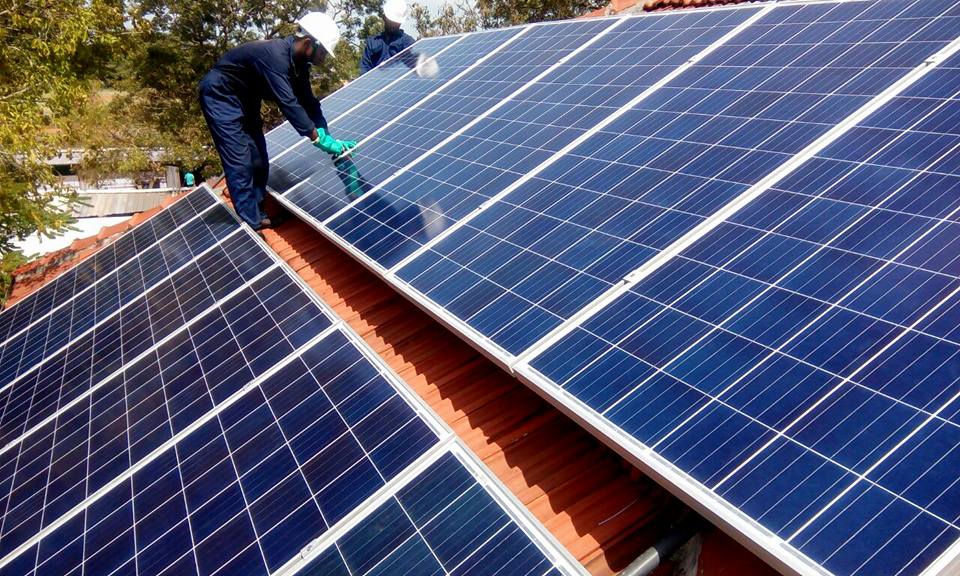
L2 Solar Limited Inverter Capacity: kW vs kVA
Understanding the distinction between kW and kVA is essential:
kW (Kilowatt) measures active power – the actual electrical work performed. kVA (Kilovolt-ampere) represents apparent power, combining active power (kW) and reactive power (kVAR). Reactive power supports inductive/capacitive loads but performs no tangible work.
Simply put:
An 11kW solar inverter delivers 11,000 watts of continuous active power.
A 10kVA solar inverter handles up to 10,000 VA of apparent power. Crucially, a 10kVA unit does not guarantee 10kW output—actual kW depends on the power factor.
Power Factor & Its Impact
Power Factor & Its Impact
Power Factor (PF) is the ratio of active power (kW) to apparent power (kVA). An ideal PF is 1 (all apparent power converts to usable output). Most inverters have a PF near 0.9 due to system inefficiencies.Example:
A 10kVA inverter with 0.9 PF delivers only 9kW max continuous output (10kVA × 0.9 = 9kW).
Efficiency: Converting Sunlight to Usable Energy
Inverter efficiency measures how effectively DC converts to AC. Higher efficiency minimizes energy loss, maximizing panel output.Modern inverters achieve >95% efficiency, but nuances exist:
- 11kW inverters often have slightly higher peak efficiency due to streamlined design.
- Differences are typically marginal and shouldn’t be the sole deciding factor.
Performance: Matching the Right Solar System Needs
Select between 11kW and 10kVA based on your system’s scale: 11KW Inverter: Ideal for residential systems (6-12kW panel output). Provides headroom for peak production.
10kVA Inverter: Best for 8-10kW resdidential system.
11kW Inverter: ideal for residential systems (6-12kW panel output). Provides headroom for peak production.
Future-Proofing Your Investment
Solar technology evolves rapidly. An 11kW inverter offers greater flexibility for future solar panel expansions without immediate upgrades. Avoid oversizing—excessive capacity reduces efficiency during low-output operation.
Additional Factors: Cost, Features & After-sales
- Cost: 11kW units may carry a slight premium, but long-term scalability offsets this.
- Features: Prioritize monitoring, data logging, and parallel units compatibility.
- After-sales: Choose suppliers with after-sales support, especially localization support