Choose Smarter Street Light: Guide to L2 SOLAR All-in-One Street Lights for Africa
Introduction to Integrated Solar Street Lights
L2 Solar has a way to work with companies and factories etc In Africa’s vibrant cities and growing communities need reliable, cost-effective lighting. Power grids can be inconsistent, and extending them is costly. Integrated Solar Street Lights are the smart solution, combining solar panel, battery, LED lamp, and controller into one sleek, easy-to-install unit. But how do you choose the right one? L2 SOLAR, with 10+ years of expertise and over 300 successful government installations across Africa, guides you through the key decisions.
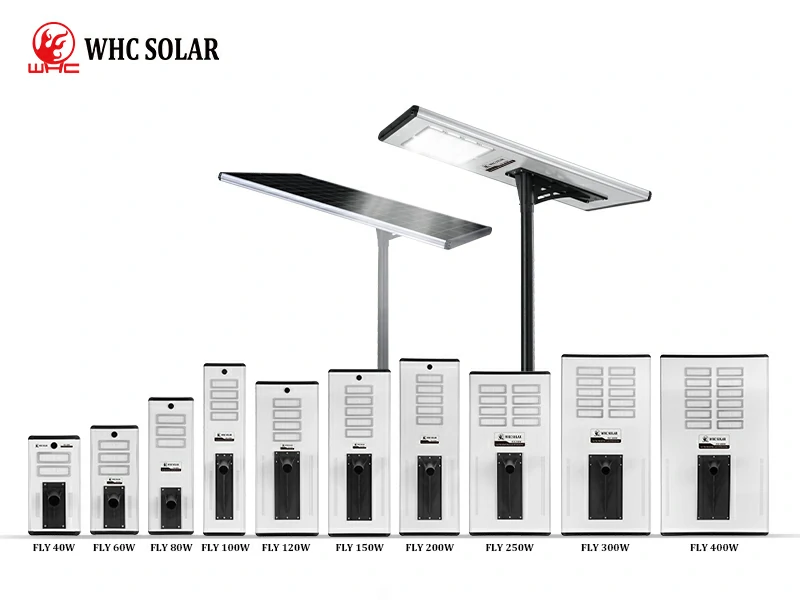
Why Choose Integrated Solar Street Lights?
- Zero Electricity Bills: Harness free, abundant African sunshine.
- Simple & Fast Installation: Mount on a pole – no trenching, no complex wiring. Minimize disruption.
- Low Maintenance: Durable design with minimal moving parts.
- Automatic Operation: Lights turn on/off at dusk/dawn automatically.
- Perfect for Remote Areas: Bring light anywhere, independent of the grid.
- Environmentally Friendly: Reduce carbon footprint.
The 3 CRUCIAL Data Points When Choosing Your Light (L2 SOLAR Expertise):Choosing the right integrated light isn’t just about looks; it’s about performance backed by data. Focus on these three non-negotiable specifications:
- LED Luminaire Efficacy (Lumens per Watt – lm/W):
- What it is: Measures how efficiently the LED converts electricity into visible light. Higher lm/W = more light from less power.
- Why it Matters for Africa: Maximizes light output while minimizing the size (and cost) of the solar panel and battery needed. Ensures bright illumination throughout the night using scarce solar energy efficiently. Look for high efficacy LEDs (≥ 140 lm/W or higher). WHC SOLAR utilizes premium high-efficacy LEDs for maximum performance and longevity.
- Solar Panel Power (Watts – W):
- What it is: The maximum power output the solar panel can generate under standard test conditions (STC).
- Why it Matters for Africa: Determines how quickly and effectively the battery recharges daily. Africa has strong sun, but dust, slight shading, and panel efficiency losses are real factors. Undersized panels lead to flat batteries and dark nights. Choose a panel wattage sufficient to fully recharge the battery even on slightly cloudy days or considering local dust levels. WHC SOLAR carefully calculates this based on project location and lighting requirements.
- Lithium-Ion Battery Capacity (Amp-hours – Ah @ System Voltage):
- What it is: The amount of energy the battery can store. Often given as Ah (e.g., 12V 50Ah).
- Why it Matters for Africa: Determines backup autonomy – how many nights the light can operate without sunshine (e.g., during rainy seasons or extended cloudy periods). Insufficient capacity means lights go out prematurely. WHC SOLAR prioritizes high-quality, deep-cycle Lithium Iron Phosphate (LiFePO4) batteries known for long life (5-7+ years), high depth-of-discharge, and excellent performance in Africa’s heat.
WHC SOLAR: Your Partner for Proven Lighting Solutions Across AfricaWHC SOLAR isn’t just a manufacturer; we are your experienced partner in solar lighting. With 10+ years dedicated to perfecting solar street light solutions and a proven track record of over 300 successful government and municipal projects installed, we understand the unique demands of the African environment. Our integrated solar street lights are engineered for:
- African Conditions: Built to withstand high temperatures, dust, humidity, and UV exposure (IP65/IP66 rated).
- Longevity: Premium components (high-efficacy LEDs, LiFePO4 batteries) ensure years of reliable service.
- Optimal Performance: Meticulous engineering ensures the perfect balance of panel power, battery capacity, and LED efficacy for your specific location and lighting needs.
- Easy Project Rollout: Integrated design enables swift deployment for large-scale projects.
Versatile Applications Lighting Up Africa:
- Urban & Residential Streets: Enhance safety and security in neighborhoods, reducing reliance on unstable grids.
- Highways & Ring Roads: Improve driver safety on critical transport corridors.
- Campus & Institutional Areas: Light up universities, schools, and hospitals reliably.
- Villages & Rural Communities: Bring essential lighting where grid extension is impossible or too expensive.
- Parks, Walkways & Public Spaces: Create safer, more inviting community areas after dark.
- Industrial Areas & Car Parks: Ensure security and operational continuity.
Light Up Africa Reliably with WHC SOLARDon’t compromise on quality or performance. Choosing the right integrated solar street light means focusing on the core data: LED Efficacy, Solar Panel Power, and Battery Capacity. Partner with a manufacturer who has the experience and proven solutions Africa trusts.